
Naples Botanical Garden
Naples Botanical Garden: A Flourishing World of Plants, Art and Community
Introduction
Spread across 170 acres in Naples, Naples Botanical Garden is a living museum that celebrates tropical flora, sustainability and art. The Garden’s mission is to conserve plants and habitats of the tropics, cultivate beauty, offer knowledge and inspire protection of nature. Visitors and members alike often describe the garden as a rejuvenating sanctuary where global plant collections, creative landscapes and educational programs intersect. Since its founding, the Garden has evolved into an award‑winning destination recognized for excellence in design and environmental stewardship.
Origins and Development
The vision for Naples Botanical Garden originated in 1993, when a group of plant enthusiasts dreamed of creating a world‑class garden in southwest Florida. They incorporated the organization in 1994 and in 2000 received a $5 million land donation that provided space for the garden to take root. A master plan guided the phased construction:
- 2008: Excavation of the Deep Lake and foundation of the Preserve began.
- 2009: The Kapnick Brazilian Garden, Kapnick Caribbean Garden and Smith Children’s Garden River of Grass opened to the public.
- 2010: Additional gardens and the research center were completed.
- 2014: The Eleanor & Nicholas Chabraja Visitor Center opened, integrating sustainable design with landscaped spaces.
Today, the Garden welcomes over 260,000 visitors annually and continues to expand its collections, programs and visitor experiences.
Garden Spaces and Highlights
Naples Botanical Garden comprises numerous themed gardens, each offering a distinct sensory and educational experience. Highlights include:
Kapnick Brazilian Garden
Designed by landscape architect Raymond Jungles, this garden pays tribute to Brazilian modernist Roberto Burle Marx. It features a mosaic wall designed by Burle Marx—the only permanent display of its kind in the United States—and collections of South American palms, aroids and bromeliads. Visitors often marvel at the bold colors and textures that evoke the tropics.
Kathryn’s Garden
Inspired by artist Henri Rousseau, this garden immerses visitors in a jungle‑like landscape with exotic plantings. Its winding paths lead through towering foliage, creating a sense of discovery and wonder.
Irma’s Garden
Located near the Visitor Center, Irma’s Garden showcases charismatic plants chosen for their striking forms and colors, including the spiraling screw pine (Pandanus utilis). This small garden offers a microcosm of tropical diversity.
LaGrippe Orchid Garden
Home to nearly 2,000 orchids, this garden is a treasure for orchid enthusiasts. Specimens range from tiny, leafless species to showy hybrids. The garden features bromeliads, epiphytes and a coral limestone fountain, and rotates displays to ensure there is always something in bloom.
Marcia & L. Bates Lea Asian Garden
This garden leads visitors on a journey through Southeast Asia, with “rooms” representing different regions and cultures. Features include a Javanese temple ruin, a Balinese rice goddess statue, and a Thai pavilion near a lotus pool. Plants like crotons, palms, magnolias and rice cultivate an immersive atmosphere.
Karen and Robert Scott Florida Garden
Capturing the essence of Florida, this garden incorporates winding paths, a man‑made waterfall and chickee huts. It includes wildflowers, flowering trees and rescued trees that symbolize Florida’s cultural diversity, and offers panoramic views of the Preserve from the Garden’s highest point.
Kapnick Caribbean Garden
This garden showcases the diverse ecosystems of the Caribbean, from mountainous tropics to dry scrub. It features a living fence, tropical fruit plants like banana, pineapple, papaya and coconut, and a vanilla orchid trellis. The garden houses the Ware Palm Collection, endangered prehistoric cycads, Florida’s rare semaphore cactus and species from the National Plumeria Collection. A nature play area called the Palm Hop engages children through interactive exploration.
Foster Succulent Garden
This desert oasis displays hundreds of cacti and succulents, with raised beds allowing visitors to view thorny plants safely. Baobab trees at the entrance create a dramatic silhouette.
Water Garden & Performance Lawn
Designed as a Monet‑inspired water lily pond, the Water Garden offers a serene space with colorful blooms and koi fish. Adjacent to it, a performance lawn and stage host concerts, outdoor films and events. A bronze artwork titled “Circle of Friends” featuring animals from each continent symbolizes global cooperation.
Visitor Information and Tips
Naples Botanical Garden is open daily from 9 a.m. to 5 p.m., with members admitted as early as 8 a.m.. Admission costs $27 for adults, $12 for children ages 4–17, and is free for children 3 and under. Memberships provide year‑round access, reciprocal privileges at other gardens, early admission, discounts on classes and special member‑only events. To make the most of your visit, arrive early or later in the afternoon when temperatures are cooler and the gardens are quieter.
The Garden encompasses 170 acres, so plan to spend at least two to three hours exploring. Wear comfortable walking shoes, a hat and sunscreen, and bring a reusable water bottle. Strollers and wheelchairs are available to rent, and most pathways are accessible. Families with children should begin at the Smith Children’s Garden and River of Grass play area; the interactive features engage young minds while adults enjoy lush surroundings. If you’re a photographer, morning light brings the gardens to life with soft shadows and fewer crowds.
Amenities: Fogg Café and The Shop in the Garden
Located within the Eleanor & Nicholas Chabraja Visitor Center, the Fogg Café serves fresh salads, sandwiches, pastries and beverages with an emphasis on locally sourced ingredients. Diners can enjoy their meals on an outdoor terrace overlooking the gardens, surrounded by tropical plants and water features. The café’s seasonal menu reflects produce grown on‑site and in nearby farms, and many guests find it a highlight of their visit.
The Shop in the Garden offers botanical‑themed gifts, books, home décor and gardening tools. Items range from butterfly‑attracting seed packets to artisan‑made jewelry and children’s educational toys. Purchases support the Garden’s mission and often feature products made by local artists. During holidays, the shop is stocked with festive ornaments and hostess gifts that reflect the beauty of the tropics.
Naples Garden Club Idea Garden
Established in 2010, this garden inspires visitors with creative horticultural techniques such as espaliered fruit trees and succulent‑covered flamingos. It emphasizes sustainable gardening practices suitable for home landscapes.
The Preserve
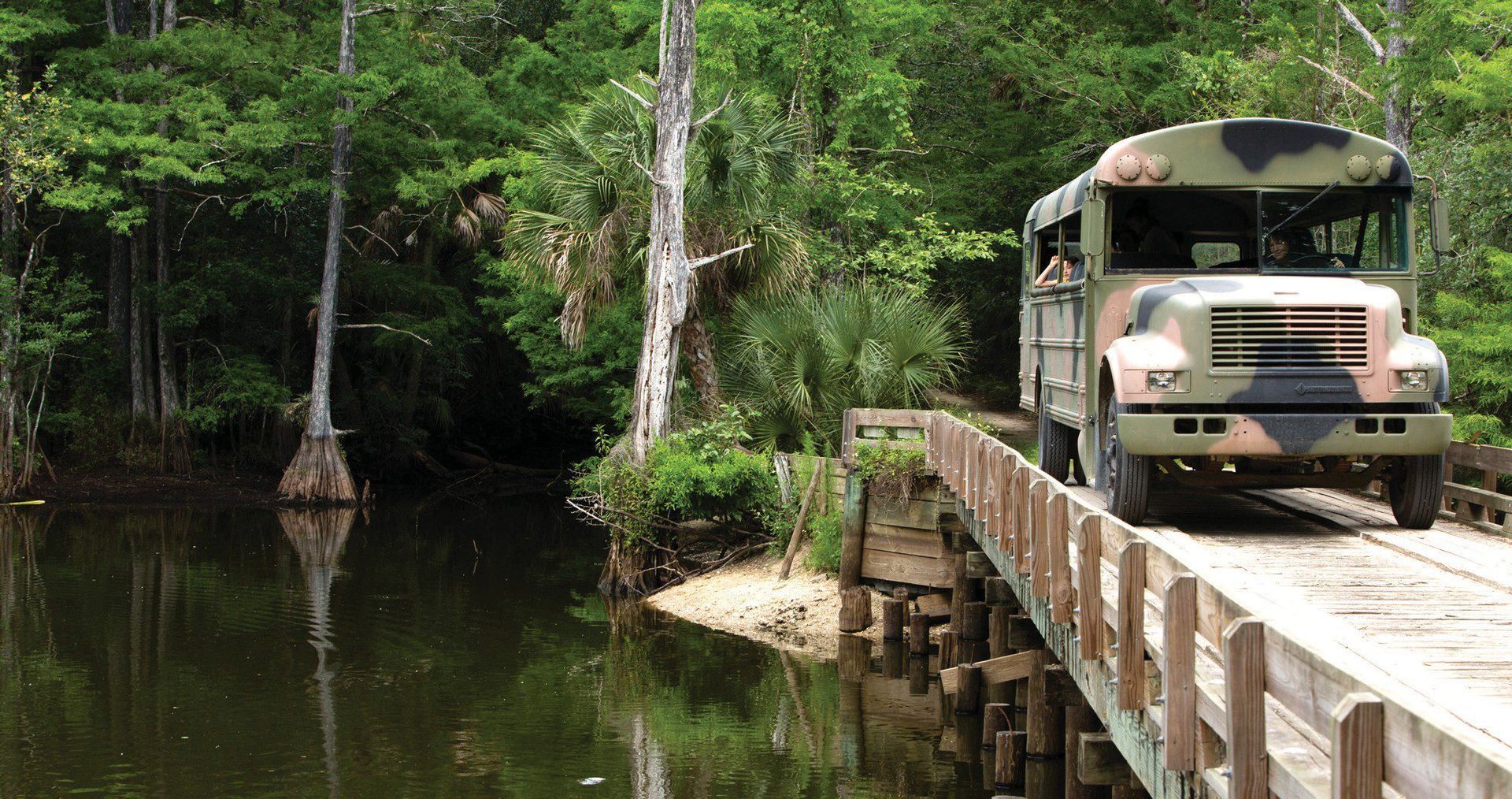
Spanning 90 acres, the Preserve protects native ecosystems including coastal scrub, marshes, swamps and uplands. Trails and boardwalks allow visitors to explore these habitats, which host over 400 native plant species and provide refuge for wildlife like gopher tortoises. Restoration efforts in the Collier Enterprises South Wetland demonstrate ecosystem recovery and attract over 200 bird species.
Visitor Center and Sustainability
The Eleanor & Nicholas Chabraja Visitor Center, completed in 2014, integrates sustainable design with landscaped courtyards and pavilions. The building is LEED Gold certified, utilizing rainwater collection systems and reclaimed sinker cypress logs. It houses the Fogg Café, a gift shop and event space, serving as a gateway to the Garden.
Programs and Events
Naples Botanical Garden offers year‑round programs that engage visitors of all ages:
- Daily Tours and Dig Deeper Chats: Guided tours highlight seasonal plants and garden history. Dig Deeper chats provide short talks on topics like pollinators, sustainable gardening and plant care.
- Exhibitions: Art installations, such as botanical sculptures and photography exhibits, complement the natural beauty of the gardens.
- Music in the Garden: Live performances on the performance lawn create a festive atmosphere during select evenings.
- Workshops and Classes: Waterlily painting classes, photography workshops and horticulture courses allow visitors to learn new skills.
- Seasonal Events: Special events like Johnsonville Night Lights in the Garden illuminate the landscape with thousands of lights during the winter season.
Education and Conservation Efforts
The Garden’s commitment to education is evident in its partnership with local schools, universities and organizations. Programs teach students about plant biology, ecology and conservation. Researchers at the Garden study plant species for conservation and horticultural innovation. The Garden also maintains seed banks and participates in global conservation projects to protect threatened species.
Visitor Experience
Guests often highlight the Garden’s peaceful ambiance, diverse plant collections and interactive programs. Families appreciate the children’s garden and hands‑on exhibits that inspire curiosity. Photographers are drawn to the scenic vistas and rare plant specimens. Volunteers play a significant role, guiding tours, maintaining gardens and assisting with events. Their enthusiasm and knowledge enhance visitors’ experiences.
Looking Ahead
Naples Botanical Garden continues to grow its collections, improve its infrastructure and expand educational initiatives. Plans include expanding the Asian Garden, developing additional research facilities and enhancing digital engagement through virtual tours and online courses. The Garden aims to lead in sustainability by adopting more renewable energy sources and water‑efficient technologies.
Conclusion
As a vibrant oasis of plants and people, Naples Botanical Garden invites visitors to connect with nature, discover global plant diversity and participate in a shared mission of conservation. Through innovative design, educational programming and a dedication to sustainability, the Garden has become a jewel of Southwest Florida. Whether strolling through orchid‑laden paths or attending a lantern‑lit festival, guests leave with a renewed appreciation for the beauty and importance of the natural world.
Share this Article