
Edison and Ford Winter Estates
Edison & Ford Winter Estates: A Living Museum of Innovation and History in Fort Myers
A Historic Retreat on the Caloosahatchee River
In the late nineteenth and early twentieth centuries, two of America’s most influential inventors sought winter refuge in Fort Myers. The Edison & Ford Winter Estates encompass over 20 acres of historical buildings, gardens and a museum, making it one of the most visited historic home sites in the United States. The property offers a rare glimpse into the lives of Thomas Edison and Henry Ford, their families and their innovations.
Origins: Edison's Vision
Thomas Edison first visited Fort Myers in 1885 and soon purchased more than 13 acres along the Caloosahatchee River. He envisioned a winter getaway where he could escape northern winters, test plants for his botanical experiments and enjoy the outdoors. He built a main house called “Seminole Lodge” and later a guest house, each set amid lush gardens. Edison’s choice of Fort Myers influenced other prominent figures, including his friend Henry Ford.
Ford Joins the Neighborhood
In 1916, Henry Ford purchased the house next door to Edison’s estate, creating a winter retreat known today as the Ford house. The Ford estate features a Craftsman‑style bungalow and garages for his automobiles. The estate remained in the Ford family until 1989, and it opened to the public in 1990. Together, the two estates offer visitors insight into the personal lives of two industrial pioneers and the enduring friendship they shared.
The Historical Buildings
Edison Main House and Guest House
The Edison main house, Seminole Lodge, remains furnished with many of the family’s original possessions. The architecture reflects the Queen Anne style popular at the time, with spacious verandas and soaring windows. The adjacent guest house originally belonged to Edison's business partner Ezra Gilliland; the Edisons purchased it in 1906 and used it to house family and friends. Notable guests included future president Herbert Hoover. Visitors today can tour the rooms, seeing the original furnishings, Edison’s personal library and photographs that illustrate his life in Fort Myers.
Ford Estate
Henry Ford’s Craftsman‑style residence offers a contrast to Edison’s Victorian home. The Ford house features period furnishings and exhibits about Ford’s automotive career. Visitors often remark on the display of vintage automobiles in the garage, which evoke the early days of mass‑produced cars. The residence is also surrounded by lush gardens filled with native and exotic plants.
Pool Complex and Laboratory
Edison built one of the first residential swimming pools in the United States in 1910, a luxury at the time. The pool area includes a pool house and tea house, which were remodeled in 1928 and have been meticulously preserved. The grounds also house the Edison Botanic Research Laboratory, a 1928 facility where Edison, Ford and Harvey Firestone attempted to find a domestic source of rubber. The lab was designated a National Historic Chemical Landmark and features original equipment and rooms such as a chemical processing area, machine shop and dark room. Visitors can walk through the lab to see where over 17,000 plant samples were tested in search of a viable rubber plant.
The Gardens: A Tropical Paradise
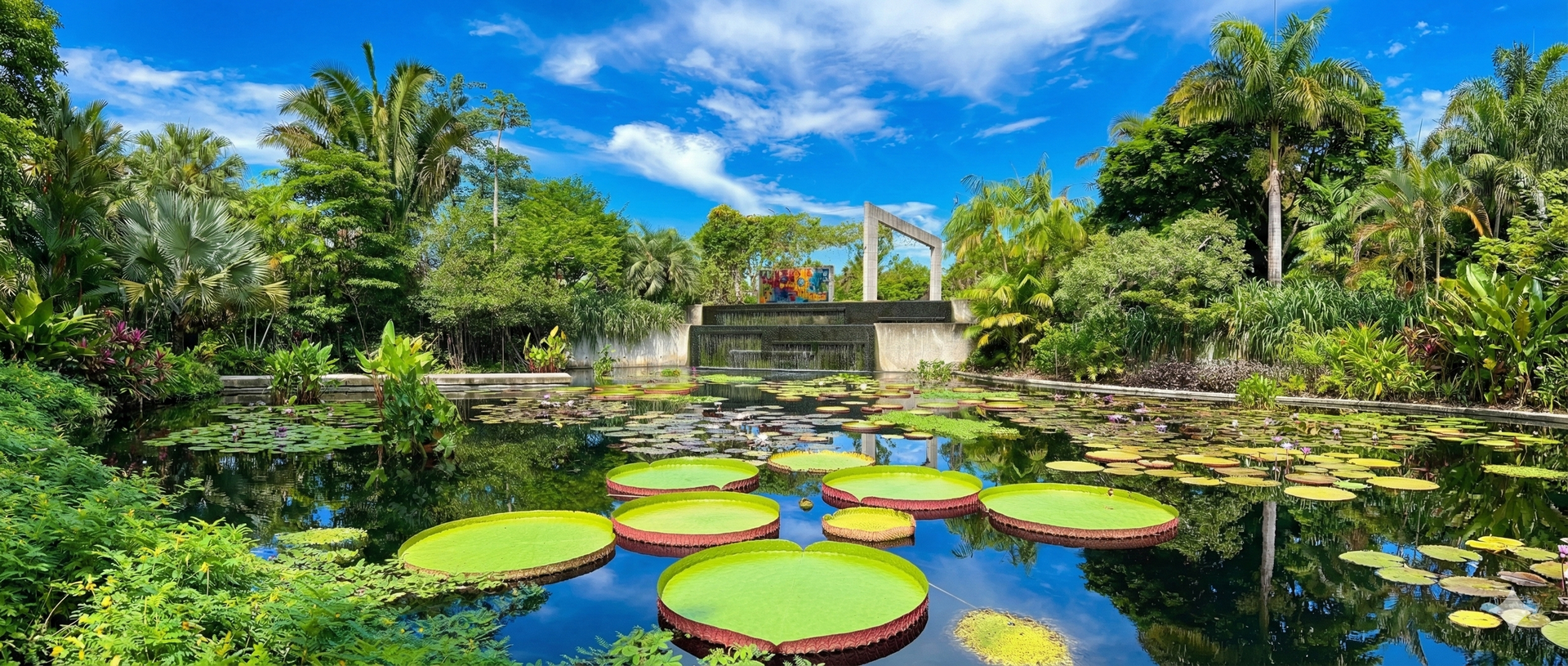
The estates’ gardens cover 20 acres and include more than 1,700 plants representing over 400 species from six continents. Guided by the philosophy that gardens should be both beautiful and instructive, the horticulture team has cultivated spaces that showcase different ecosystems and plant collections.
Highlights include:
- Moonlight Garden: Designed by landscape architect Ellen Biddle Shipman in 1929, this garden features white flowers and silver foliage that glow under moonlight.
- Banyan Tree: Planted in the early 20th century, this giant banyan has spread to cover a large area and is a favorite photo spot.
- Heritage Plants and Royal Palms: Rows of towering royal palms frame pathways, and heritage plants such as bougainvillea and orchids bloom year‑round.
- Butterfly Garden: A specially designed habitat draws native butterflies and pollinators.
- Tropical Fruit Trees: Mango, papaya, avocado and other fruit trees highlight Florida’s tropical abundance.
- Cycad and Succulent Collections: The garden includes rare cycads and a newly planted succulent area, illustrating a diversity of adaptations.
Visitors often describe strolling through the gardens as a journey around the world, with each area presenting a distinct botanical palette and layout. The estates’ horticulturists provide tours that discuss plant care, historical context and conservation efforts.
Museum and Exhibits
The 15,000‑square‑foot museum houses thousands of artifacts, including inventions, photographs and personal items of the Edison and Ford families. The orientation gallery introduces visitors to Edison’s life and his impact on electric lighting, as well as Ford’s automotive innovations. Exhibits are organized thematically, such as:
- “Into the Wild”: Showcases camping trips taken by Edison, Ford and naturalist John Burroughs.
- “Timeline of Innovation”: Presents a chronological display of inventions and patent models.
- Music and Movies Gallery: Explores Edison’s contributions to phonographs and early films.
- Family & Friends: Highlights the social lives of the Edison and Ford families and their prominent guests.
- Spring Training History: Shares the story of early baseball spring training in Fort Myers.
Interactive displays allow visitors to hear wax recordings, view vintage film clips and handle replicas of inventions. Many guests note how the museum combines education with entertainment, making it appealing to both adults and children.
Visitor Experience and Programming
Tour options include self‑guided tours, guided house tours, specialty garden tours and behind‑the‑scenes lab tours. The estates offer audio guides in multiple languages and host seasonal events such as Antique Car Shows, Garden Talks and the Edison Festival of Light. Many visitors appreciate the flexibility to customize their experience, whether focusing on history, horticulture or innovation.
Families often take advantage of children’s programs like the annual Camp Edison, where kids engage in hands‑on science activities. The estates also partner with local schools for field trips and offer teacher resources that align with STEM curricula. Adult learners can attend horticulture classes, lectures on historic preservation and workshops on topics such as Edison’s inventions.
Amenities and Gift Shop
After exploring the houses, museum and gardens, many visitors enjoy stopping at the Estates’ gift shop and garden shop. The gift shop stocks replicas of antique light bulbs, laboratory kits, books on Edison and Ford, and locally made crafts. Children’s science kits and plant seeds encourage young inventors and gardeners to continue learning at home. The adjoining garden shop offers plants propagated from the estates’ collections, such as heirloom roses, orchids and succulents, allowing guests to bring a piece of the gardens back to their own yards. The on‑site café serves sandwiches, salads and cold beverages, providing a convenient spot to rest and recharge before continuing your tour.
Tips for Visiting
To make the most of your time at the Edison & Ford Winter Estates, plan to spend two to three hours exploring the grounds. Morning visits offer cooler temperatures and softer light for photography. Comfortable walking shoes are essential—gravel paths and grassy lawns can be uneven. If you have limited mobility, inquire about golf cart tours that provide transportation between key points. The estates are largely outdoors, so sunscreen, hats and water are recommended. For an in‑depth experience, opt for a guided tour led by knowledgeable docents who can answer questions and share behind‑the‑scenes anecdotes. Finally, end your visit with a stroll along the riverfront, where benches and shade trees invite contemplation of the same views that inspired Edison and Ford over a century ago.
Community Engagement and Conservation
The Edison & Ford Winter Estates serves as a community anchor in Fort Myers. The property hosts fundraisers, cultural events and educational programs that support local charities and environmental initiatives. It collaborates with organizations like the Calusa Nature Center and the city’s parks department to promote conservation and heritage preservation. The staff actively maintains historical authenticity while implementing sustainable practices such as composting, rainwater harvesting and integrated pest management.
Memberships and Volunteering
For those who fall in love with the estates, becoming a member offers year‑round admission, discounts on special programs and invitations to member‑only events. Membership levels range from individual to family packages, making it easy to tailor benefits to your needs. Volunteers also play a crucial role in maintaining the gardens, guiding tours and assisting with educational programs. Docents receive training on the history of the estates and share their passion with visitors. Many volunteers say the experience deepens their connection to local history and provides a sense of community with fellow enthusiasts.
Looking Forward
Future plans for the estates include continued restoration of buildings, expansion of interpretive exhibits and modernization of visitor services. There is ongoing research into Edison’s botanical experiments, which may result in new garden displays or educational materials. By blending historical preservation with contemporary engagement, the estates aim to remain a dynamic destination that celebrates innovation and fosters curiosity for generations to come.
Conclusion
The Edison & Ford Winter Estates offer more than a glimpse into the past; they provide an immersive experience where history, innovation and nature intertwine. Visitors leave with a deeper appreciation for the inventors’ legacies, the beauty of the gardens and the enduring spirit of experimentation that defined an era. Whether you’re a history buff, plant enthusiast or curious traveler, this Fort Myers landmark invites you to explore and be inspired.
Share this Article